Company News
Which type of crusher should be chosen for crushing gold ore?
06/01/2026
1. Common Crusher Types for Gold Ore
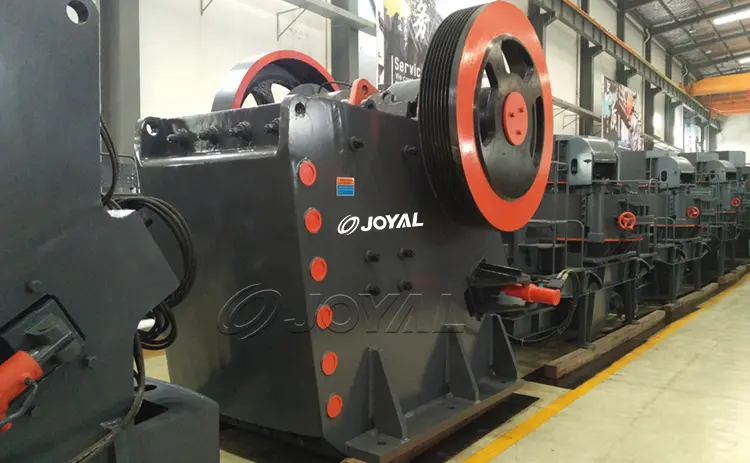
- Jaw Crusher
- Stage: Primary Crushing
- Best For: Large, hard ore (compressive strength ≤320MPa).
- Key Points: Simple, robust, high capacity. Produces coarse output (typically 10-350mm). Works best with low-clay ore.
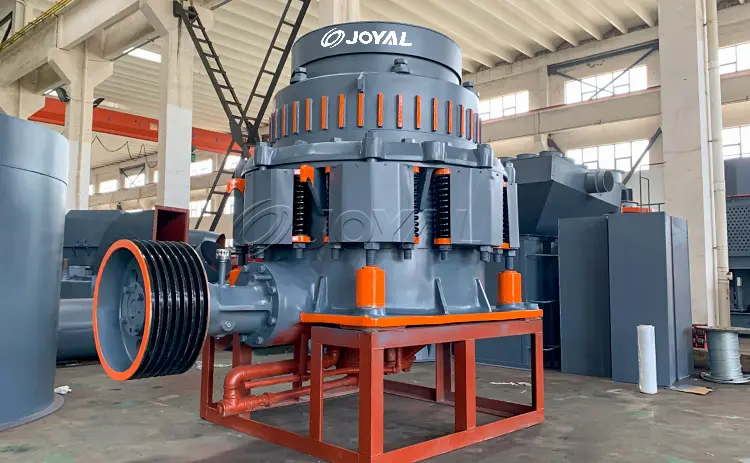
- Cone Crusher
- Stage: Secondary/Tertiary Crushing
- Best For: Medium to hard ore (e.g., quartz vein gold).
- Key Points: High efficiency, low energy consumption, produces uniform product with minimal overgrinding. Hydraulic models allow easy adjustment.
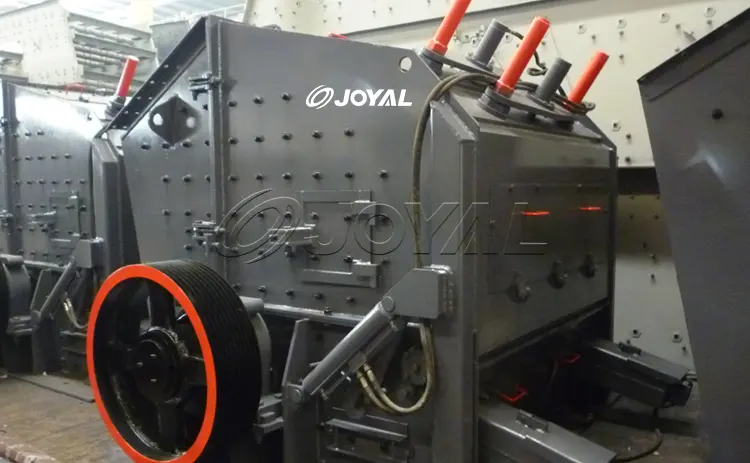
- Impact Crusher (Vertical Shaft Impactor – VSI)
- Stage: Tertiary Crushing / Sand Making
- Best For: Medium hardness, brittle ore.
- Key Points: High reduction ratio, good grain shape. Supports “more crushing, less grinding” for energy savings. Prone to clogging with high-clay ore.
- High-Pressure Grinding Rolls (HPGR)
- Stage: Fine/Ultra-fine Crushing
- Best For: Medium-hard ore with fine-grained gold.
- Key Points: Highly energy-efficient, promotes early mineral liberation, significantly reduces grinding load. Higher initial investment, suitable for large-scale operations.
- Hammer Crusher
- Stage: Secondary/Tertiary Crushing
- Best For: Soft, brittle ore (e.g., oxidized ore).
- Key Points: High reduction ratio and capacity. Rapid wear with hard ore and prone to clogging with clay.
2. Key Selection Factors
- Ore Properties: Hard ore → Jaw + Cone crusher combo. High clay content → Consider pre-washing or clog-resistant designs.
- Product Size: Target >100mm after primary → Jaw crusher. Target <10mm for grinding → Cone crusher or HPGR.
- Capacity: Small plant (<500 t/d) → Jaw + Hammer/Impact crusher. Large plant (>2000 t/d) → Jaw + Cone + HPGR.
- Process Flow: Traditional: Three-stage closed circuit (Jaw + Cone + Screen). Energy-saving: Jaw + HPGR (replaces multiple stages).
3. Example Flowsheets
- Hard Quartz Vein Gold Ore:
Primary: Jaw Crusher (<150mm)
Secondary: Cone Crusher (<50mm)
Tertiary: Cone Crusher or HPGR (<10mm)
Closed-circuit with vibrating screens. - Soft Oxidized Ore (High Clay):
Primary: Jaw Crusher (with grizzly for clay removal)
Secondary: Impact or Hammer Crusher (<8mm)
Wet screening may be necessary.
4. Important Considerations
- Wear: Quartz is highly abrasive. Use wear-resistant materials (e.g., manganese steel liners).
- Clogging: For clayey ore, include washing or pre-screening.
- Automation: For large plants, automated control systems optimize performance.
Recommendation Summary
- Small Operations: Jaw + Hammer/Impact crusher for low cost and easy maintenance.
- Large Operations: Jaw + Cone + HPGR for maximum efficiency and energy savings (“more crushing, less grinding”).
- Fine-Grained Ore: Prioritize HPGR for early liberation.