Company News
Considerations in Marble Crushing Plant Design
20/12/2025
1. Material Characteristics
- Hardness Variation: Mohs hardness 3-5, design for hardest conditions
- Moisture Impact: Up to 8-12% in wet seasons, require anti-clogging design
- Dust Generation: High CaCO₃ content (>95%) requires enhanced dust collection
2. Process Design Essentials
Crushing Stages Selection
Two-Stage: -30% capex | Poor particle shape (>15% flaky)
Three-Stage: Standard | Good shape (<8% flaky)
Four-Stage: Premium | Cubic shape (<5% flaky)
Flexibility: Allow space for future tertiary crusher addition
Key Equipment
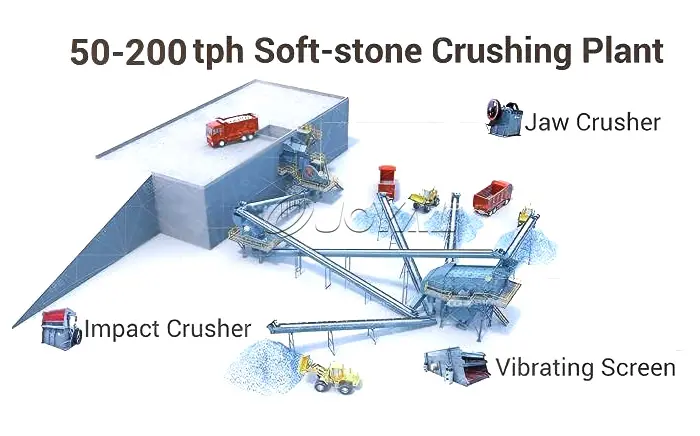
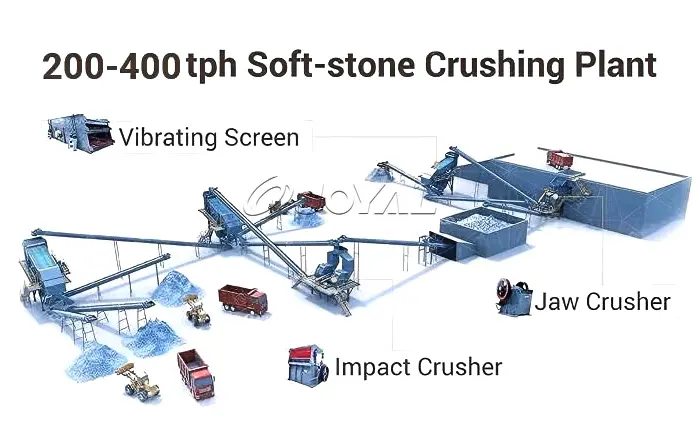
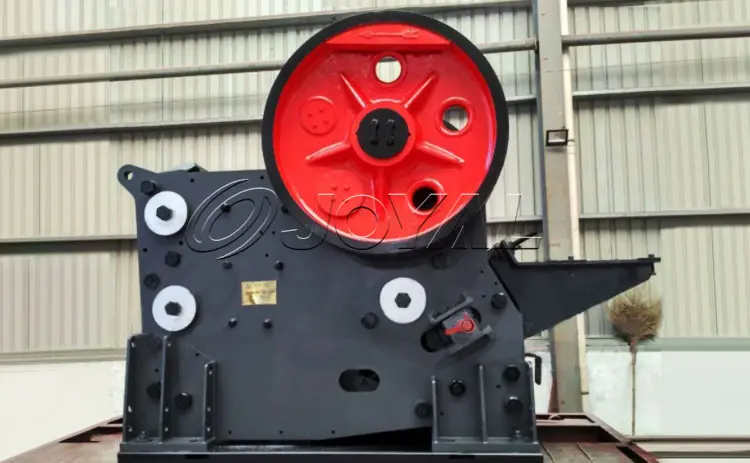
- Primary: Deep-cavity jaw crusher (1:8 reduction ratio)
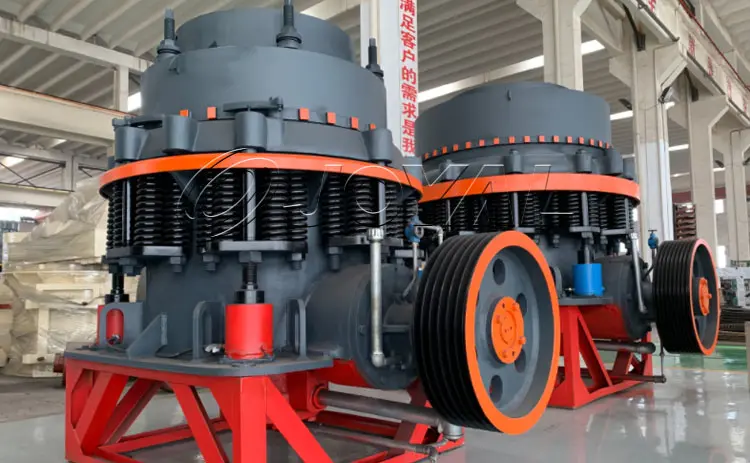
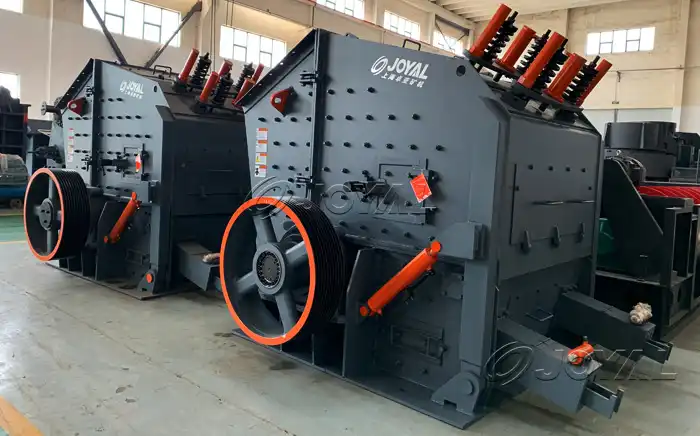
- Secondary/Finishing: Impact crusher for better shape, cone crusher for lower wear cost
- Critical: Crusher speed control (38-42 m/s optimal)
Screening System
- Screen Type: Polyurethane decks last 3-5× longer despite 40% higher initial cost
- Anti-Blinding: Essential due to marble dust adhesion
- Efficiency: Multi-deck screens achieve 85-92%
3. Quality Control Points
- Particle Shape: Target <10% flaky for premium aggregate
- Fines Control: 10-15% in manufactured sand (MB value <1.4)
- Dust Emission: Bag filter efficiency >99.5%, emission <20 mg/m³
4. Environmental & Safety
Dust Control System
Three-Level Approach:
1. Source: Enclosure + high-pressure spray (>4MPa)
2. Process: Covered conveyors + extraction points
3. Treatment: Bag filters + 15m stack
Noise Management
- Equipment enclosures: -15 to -20dB
- Boundary standards: Day <65dB, Night <55dB
Water Management
- 95% water recycling rate
- Sludge dewatering >60% solids
5. Automation & Energy Saving
- Control Levels: PLC + optional MES/cloud platform
- Key Monitoring: Crusher current/temperature/vibration, energy consumption
- Energy Optimization: VFDs on feeders/conveyors (-15 to 25%), IE3+ motors (+3-5% efficiency)
6. Maintenance & Accessibility
- Clearance: 1.5× equipment width around crushers
- Lifting: Dedicated hoists for each major machine
- Wear Parts: Liner change target <8 hours
7. Investment & Operations
Phased Implementation
Phase 1 (Years 1-2): 60% investment - Base capacity
Phase 2 (Years 3-4): 25% investment - Shaping/sand making
Phase 3 (Year 5+): 15% investment - Value-added products
Operational Targets
- Power: 1.0-1.3 kWh/ton
- Wear Parts: $0.7-1.1/ton
- Labor: 3-4 operators per shift (300tph)
8. Common Design Pitfalls
- Over-Crushing: Excessive fines increase energy 30-50%
- Undersized Screening: Causes >150% circulating load
- Conveyor Bottlenecks: Restricts overall capacity
- Dust System Undersizing: Actual airflow = 1.2-1.5× theoretical
9. Design Checklist
- Complete material test reports
- Reasonable crushing stage ratios (Primary 1:6-8, Secondary 1:4-6)
- Circulating load 100-120%
- Backup for critical units (feeders/screens)
- Meets local environmental standards
- Adequate maintenance access
- Remote diagnostics capability
- Energy monitoring system