Company News
What to Do If Jaw Crusher Jaw Plates Wear Out Quickly?- Material Selection and 5 Tips to Extend Service Life
09/12/2025
Excessive wear of jaw plates is a common issue leading to increased production costs. The root cause lies in the mismatch between the material being crushed, the plate material, and operational practices. This article provides a systematic solution.
Part 1: Precise Material Selection — The Best Material is the One That Fits
- High Manganese Steel: Relies on impact to form a hardened layer. Suitable for high-impact conditions; wears faster if impact is insufficient.
- Alloyed High Manganese Steel: Offers better overall performance and is currently the mainstream, cost-effective choice.
- High Chromium Cast Iron / Medium Alloy Steel: Extremely high initial hardness, wear-resistant but brittle. Only suitable for low-impact, grinding-dominant conditions and requires reliable tramp iron protection.
- Bimetal Composite Plates: Combines toughness and hardness for optimal performance and longest service life, especially suited for highly abrasive materials.
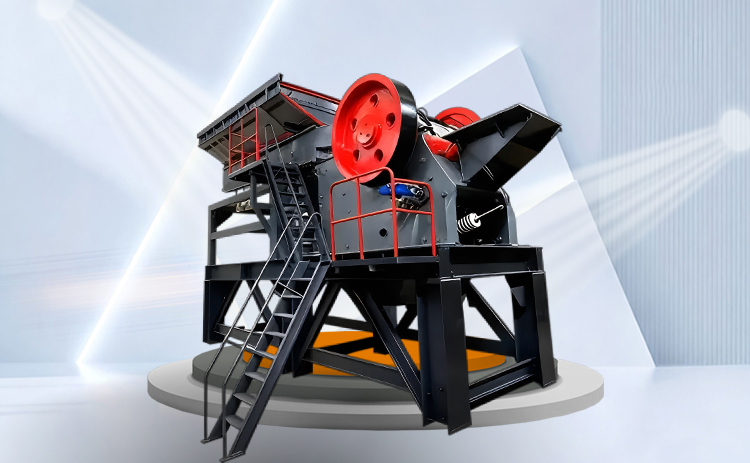
Core Recommendation: Provide your supplier with detailed material characteristics (hardness, abrasiveness, silica content) to receive tailored material advice.
Part 2: 5 Key Operational Practices to Extend Service Life
- Ensure Even Feeding and Control Feed Size
- Use a feeder to prevent uneven wear caused by segregation.
- Feed size should not exceed 90% of the crusher’s maximum allowable size to prevent overload and impact damage.
- Regularly Rotate or Swap Plates
- The lower part of jaw plates typically wears faster. When tooth height is worn by about 3/5, swap the upper and lower plates or rotate a single plate end-for-end to extend service life by over 30%.
- Adjust Correctly and Maintain Parallel Alignment
- When adjusting the discharge setting, ensure the bottom of the movable and fixed jaws remain parallel to prevent uneven wear.
- Prevent Tramp Iron and Perform Daily Tightening Checks
- Ensure tramp iron protection devices are sensitive and reliable. A single jammed metal piece can destroy the plates.
- Check all fastening bolts before startup. Loose bolts cause vibration and cracks.
- Establish Standards for Preventive Replacement
- Do not run plates until complete failure. Plan for replacement when tooth height wear exceeds 60% or cracks appear.
- Record the service life and tons crushed for each set of plates to provide data for optimization.
Conclusion: Solving wear issues requires a systematic approach — select the right material for the job and operate with precision according to standards. Combining these two aspects is key to significantly reducing costs and improving efficiency.